










If you’re wondering how to increase flooring sales, the answer isn’t always more traffic, lower prices, or longer store hours.
Many flooring dealers already have enough opportunities coming through the door. The bigger challenge is converting more of those opportunities into completed projects.
The most successful flooring retailers increase sales by improving their sales process, following up consistently, and keeping customers engaged throughout the buying journey.
Here are seven proven ways to increase flooring sales without adding more staff or dramatically increasing your marketing budget.
7 Proven Strategies to Increase Flooring Sales
- Set Up a Simple, Repeatable Sales Process
- Follow Up Within 24–48 Hours on Every Flooring Quote
- Always Leave Customers With a Clear Next Step
- Track Every Active Customer and Quote in One Place
- Pay Attention to Customer Activity and Interest Signals
- Make Consistent Follow-Up the Standard, Not the Exception
- Use a System That Keeps Everyone on the Same Page
BONUS: How Roomvo PRO CRM and QFloors Keep Your Sales Process Organized
1. Set Up a Simple, Repeatable Sales Process
One of the most common reasons flooring sales are lost is the lack of a defined process.
The customer visits the showroom, asks questions, looks at samples, receives a quote, and leaves. What happens next often depends entirely on whether they decide to come back on their own.
Without a structured process, follow-up becomes inconsistent, opportunities fall through the cracks, and sales performance becomes difficult to improve.
That’s why it’s critical to document a uniform sales process so that your customers consistently receive the experience and attention they deserve.
Action Item: Document the exact steps every customer should experience, from initial showroom visit to installation. Then train every RSA to follow that process consistently.
2. Follow Up Within 24–48 Hours on Every Flooring Quote
Many flooring projects don’t disappear because the customer lost interest.
They disappear because the conversation stopped.
Customers are busy. Flooring projects compete with work schedules, family responsibilities, vacations, and countless other priorities. Even highly interested buyers can become distracted.
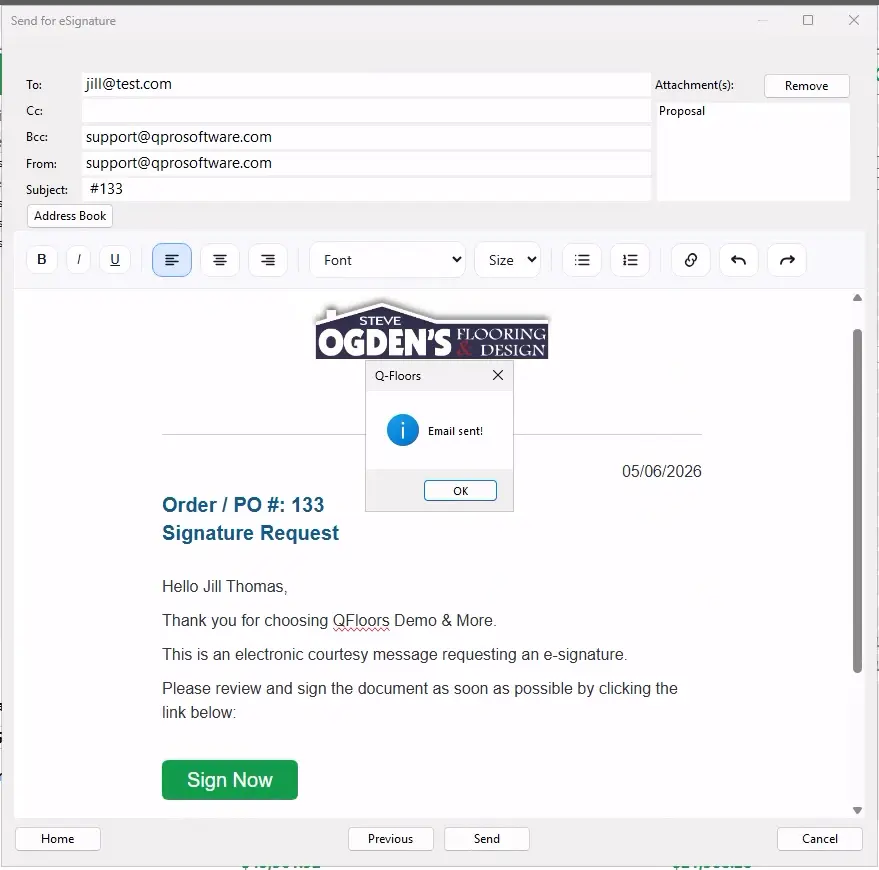
Following up within 24 to 48 hours after a showroom visit or quote makes a big difference in whether a customer responds.
You’re not reaching out to be aggressive or pushy. You’re just making sure you stay on customers’ radars while they’re still thinking things over.
Action Item: Audit your last 20 quotes. How many customers received a follow-up within 48 hours? Set a goal that 100% of quotes receive a follow-up call, text, or email within two business days.
3. Always Leave Customers With a Clear Next Step
Every customer interaction should end with a specific next step. (And “just let me know” is NOT an actionable step.)
Here are some good examples:
- Scheduling an in-home measure
- Reviewing a proposal
- Finalizing product selections
- Following up after a room visualization
- Setting a date for the next conversation
When customers leave without a clear next step, projects often stall. When they know exactly what happens next, momentum continues.
Action Item: Require every customer interaction to end with a scheduled next step. Before a customer leaves, ask: “What’s the best next step for us to keep this project moving?”

4. Track Every Active Customer and Quote in One Place
When business picks up, it can get increasingly difficult for RSAs to remember every customer, quote, and follow-up task.
As a result, the customers who call the most tend to get the most attention, while quieter opportunities get missed.
When you can clearly see all your active projects in a CRM system, it becomes much easier to know who to follow up with, which deals are stalling, and where to focus your time.
Remember this: the more visibility you have into your pipeline, the more consistent your sales start to become.
Action Item: Create a system for tracking every active opportunity. At any moment, your team should be able to answer: Which customers are waiting on quotes? Which need follow-up? Which are ready to close?
5. Pay Attention to Customer Activity and Interest Signals
Not every lead in your flooring store is equally interested.
When customers revisit a quote, come back to a visualization tool, or keep looking at products on your website, they’re basically showing they’re still engaged.
Those signals are a great way for RSAs to know which customers to follow up with first.
Instead of guessing where prospects are in the buyer journey, sales associates can focus on the people who are actually getting closer to making a decision.
Action Item: Identify the engagement signals available in your sales process (website activity, room visualizations, quote views, appointment requests, etc.) and prioritize follow-up with customers who are actively interacting with your business.
6. Make Consistent Follow-Up the Standard, Not the Exception
Many dealers assume their top sales performers succeed because they’re naturally charismatic.
In reality, high-performing sales associates are often distinguished by something much simpler: consistency.
They follow the same process for every customer.
They follow up on every quote.
They document every opportunity.
They know exactly where each project stands.
Consistency creates predictable results, which makes it easier to improve close rates across the entire team.
Action Item: Review your top-performing sales associates’ habits. What are they doing consistently that others aren’t? Build those behaviors intoa documented process the entire team can follow.

7. Use a System That Keeps Everyone on the Same Page
Individual effort can get you pretty far when things are slow.
But once the showroom gets busy, it gets harder to keep up. With more customers coming in, more quotes out, more follow-ups to remember, there are much more chances for things to slip through the cracks.
Without a solid process in place, growth starts to feel messy instead of manageable.
How do you know if the system you’re using is working? A good sales process helps flooring dealers:
- Close more of the quotes they’re already working on
- Stay on top of follow-ups
- Stop deals from falling through the cracks
- Get a clearer picture of what’s actually coming in
- Keep the team on the same page
There’s always room for improvement. But remember, the dealers who grow the most aren’t always the ones working the hardest. They’re the ones who’ve got an effective system that helps them stay organized when things get busy.
Action Item: Choose one part of your sales process that currently depends on memory or manual tracking and create a repeatable system around it. Small improvements often create significant long-term gains.
BONUS: How Roomvo PRO CRM and QFloors Keep Your Sales Process Organized
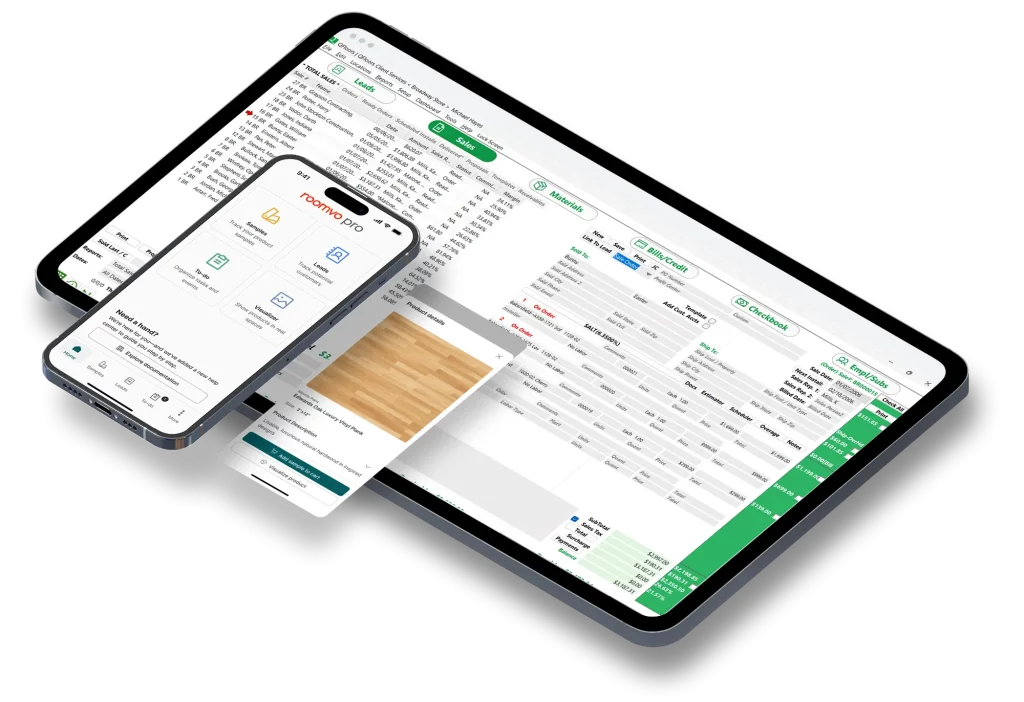
Roomvo PRO CRM helps flooring dealers put these best practices into action.
By creating trackable customer engagement through room visualizations, RSAs gain better visibility into active projects, making it easier to prioritize follow-ups and keep opportunities moving.
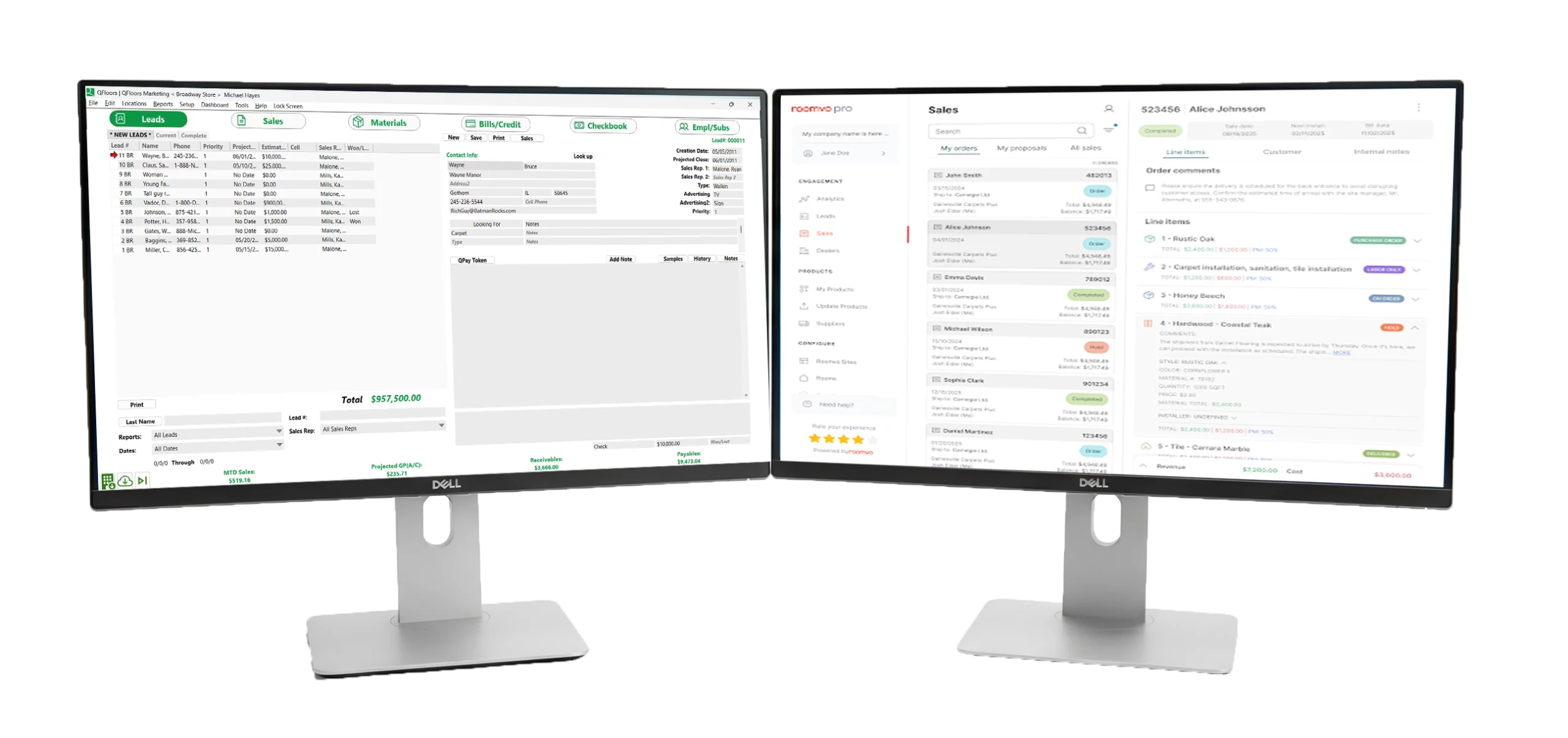
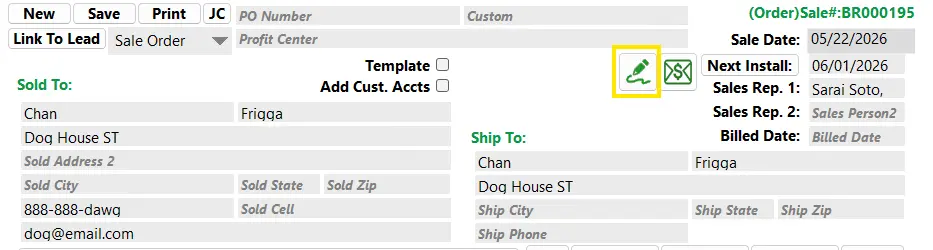
For QFloors users, leads from Roomvo PRO can already be downloaded directly into QFloors for seamless follow-up and quoting. A deeper integration between Roomvo PRO CRM and the QFloors Leads screen is also coming soon, which will allow updates in either system to sync automatically and keep opportunity data aligned across platforms.
Roomvo PRO CRM is included for all QFloors users at no additional cost, making it an easy way to add more structure and visibility to your current sales process.
If you’d like to learn more about how Roomvo PRO CRM can support your sales workflow now and in the future, email us at sales@qprosoftware.com.